Is Prostitution Legal in Bali? What Tourists Need to Know
The truth about Bali's sex industry, the laws that govern it, the risks foreign tourists actually face, and why "everyone does it" is the most dangerous assumption you can make in Indonesia.
By Larry Timothy • 2 April 2026 • 18 min read
- Prostitution is illegal in Indonesia under multiple overlapping laws. There is no legal red-light district, no licensed brothel system, and no tourist exemption.
- The new 2026 Criminal Code (KUHP) introduced a new offence of "fornication outside marriage" applicable to unmarried couples — a clause that disproportionately affects foreign tourists engaging with sex workers.
- Foreign nationals caught soliciting sex can face deportation, a permanent entry ban, criminal prosecution, and imprisonment.
- The industry nonetheless operates visibly in parts of Bali — but visibility does not equal legality, and it certainly does not equal safety for you as a tourist.
Table of Contents
- The Legal Status of Prostitution in Indonesia
- What the 2026 KUHP Changed (And Why It Matters More Than You Think)
- Where the Industry Operates in Bali
- Specific Risks for Foreign Tourists
- How Enforcement Actually Works
- The Human Trafficking Dimension Tourists Ignore
- Health Risks: HIV, STIs, and Bali's Testing Reality
- Dating Apps, Online Solicitation, and Entrapment
- Documented Cases of Foreign Tourist Arrests
- If You Are Detained: What Happens Next
- Final Word: The Real Cost of the Risk
- Frequently Asked Questions
The Legal Status of Prostitution in Indonesia
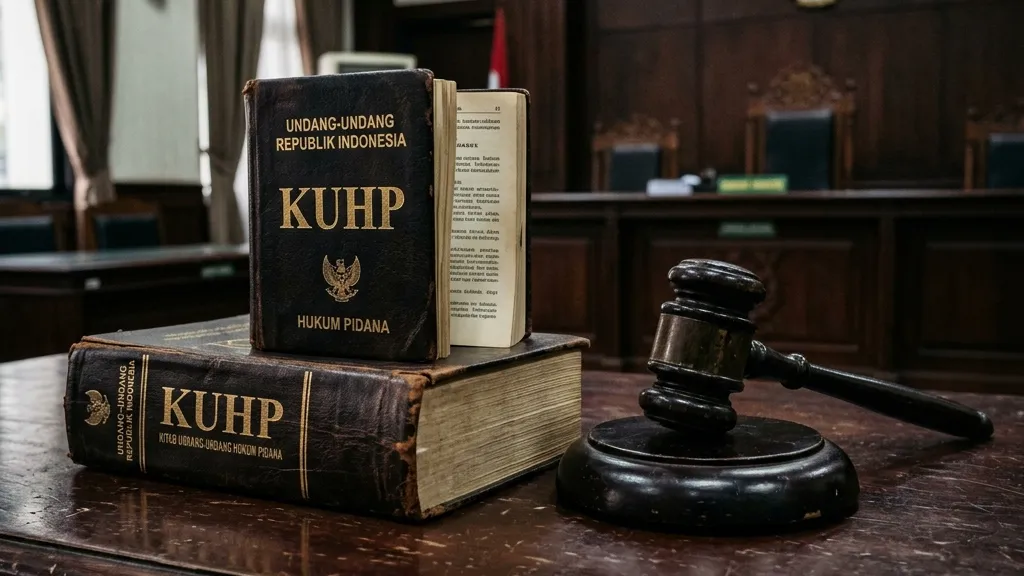
Indonesia does not have a single law that uses the word "prostitution" and declares it illegal with a specific penalty. Instead, the prohibition emerges from a patchwork of overlapping legal instruments — a structure that creates confusion among foreign nationals who assume that the absence of a clear "prostitution is illegal" sign means there must be some tolerance.
There is no tolerance. Here is the framework:
The KUHP (General Criminal Code)
Indonesia's original Criminal Code, inherited and adapted from Dutch colonial law, prohibited "public obscenity" and contained provisions that courts applied to prostitution-related offences. The 2026 revision of the KUHP dramatically expanded this framework — more on that below.
Law No. 21 of 2007 on Trafficking in Persons
This law criminalises the facilitation of prostitution — pimping, operating brothels, transporting women for commercial sex, and profiting from others' prostitution — with penalties of up to 15 years imprisonment and fines of up to IDR 600 million. This law applies to Indonesian nationals and foreign nationals alike. A foreign national who pays an intermediary (a taxi driver, a bar owner, a "friend") to arrange commercial sex has potentially made themselves a participant in a trafficking offence under this law, even if they receive no financial benefit themselves.
Regional Regulations (Perda)
Bali's regional government has enacted its own additional regulations targeting prostitution and related activities, particularly in tourist zones. These Perda regulations give local police (Satpol PP — the civil service police unit) authority to conduct raids on establishments suspected of facilitating commercial sex. These raids occur regularly — not just during political campaigns, but as routine enforcement operations.
What the 2026 KUHP Changed (And Why It Matters More Than You Think)
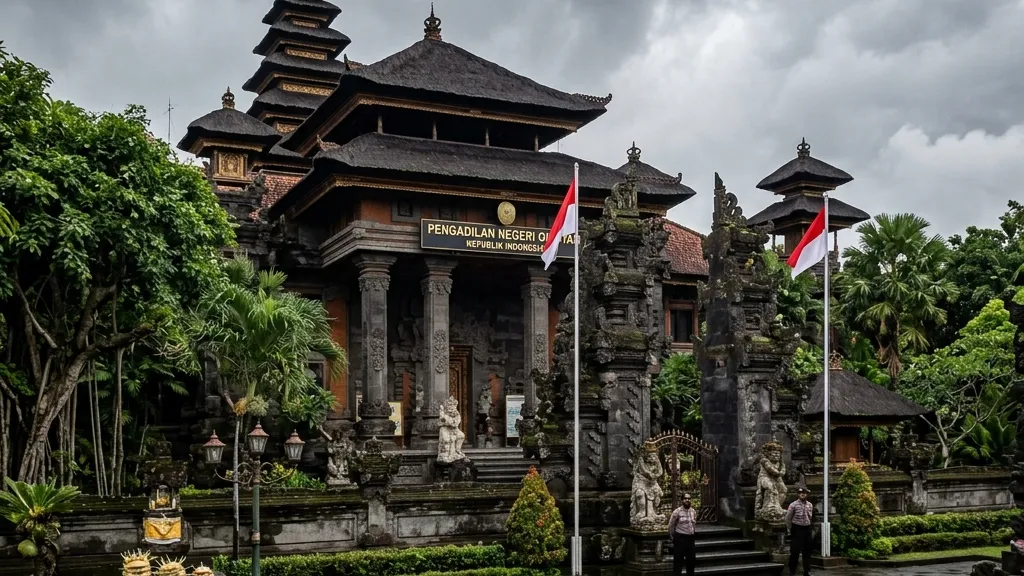
This is the section that shocks most Western tourists who read it. Indonesia's 2026 Criminal Code, which came into full force in January 2026, introduced Article 413, which criminalises "fornication" — defined as sexual intercourse between two people who are not married to each other.
The maximum penalty under Article 413 is one year imprisonment. The offence is a delik aduan — a complaint-based offence, meaning it can only be prosecuted if a formal complaint is made by specific parties (a spouse, parent, or child of either person involved). This means random consensual sex between unmarried adults cannot simply be prosecuted by police without a complaint from a qualifying party.
However, the implications for sex tourism are significant:
- If police conduct a raid on an establishment and catch a foreign tourist in the act with a sex worker, the circumstances may constitute a situation where a qualifying complaint exists or where other offences (relating to trafficking, facilitation, or public indecency) apply. You do not need Article 413 to be prosecuted — you need only to be present in a raid.
- The KUHP also introduced Article 296 provisions (see also our guide to public decency laws) relating to operating or knowingly facilitating fornication by others for gain — which carries heavier penalties and which applies to hotel staff, intermediaries, and venue operators. Being caught in such a venue during enforcement creates a paper trail linking you directly to a criminal enterprise.
- Immigration consequences: Even if you are not formally charged, being caught in a police operation involving prostitution almost certainly triggers a deportation procedure. Immigration detention is not pleasant, and a permanent entry ban to one of the world's most beautiful islands is a permanent loss.
It is worth being absolutely clear: Indonesia's 2026 KUHP does not liberalise sex between consenting adults in any way relevant to tourists. If anything, it codified and expanded the legal exposure of all parties involved in extramarital sex — which, by definition, includes sex with commercial sex workers for tourist visitors who are not Indonesian citizens married to the worker in question.
Where the Industry Operates in Bali
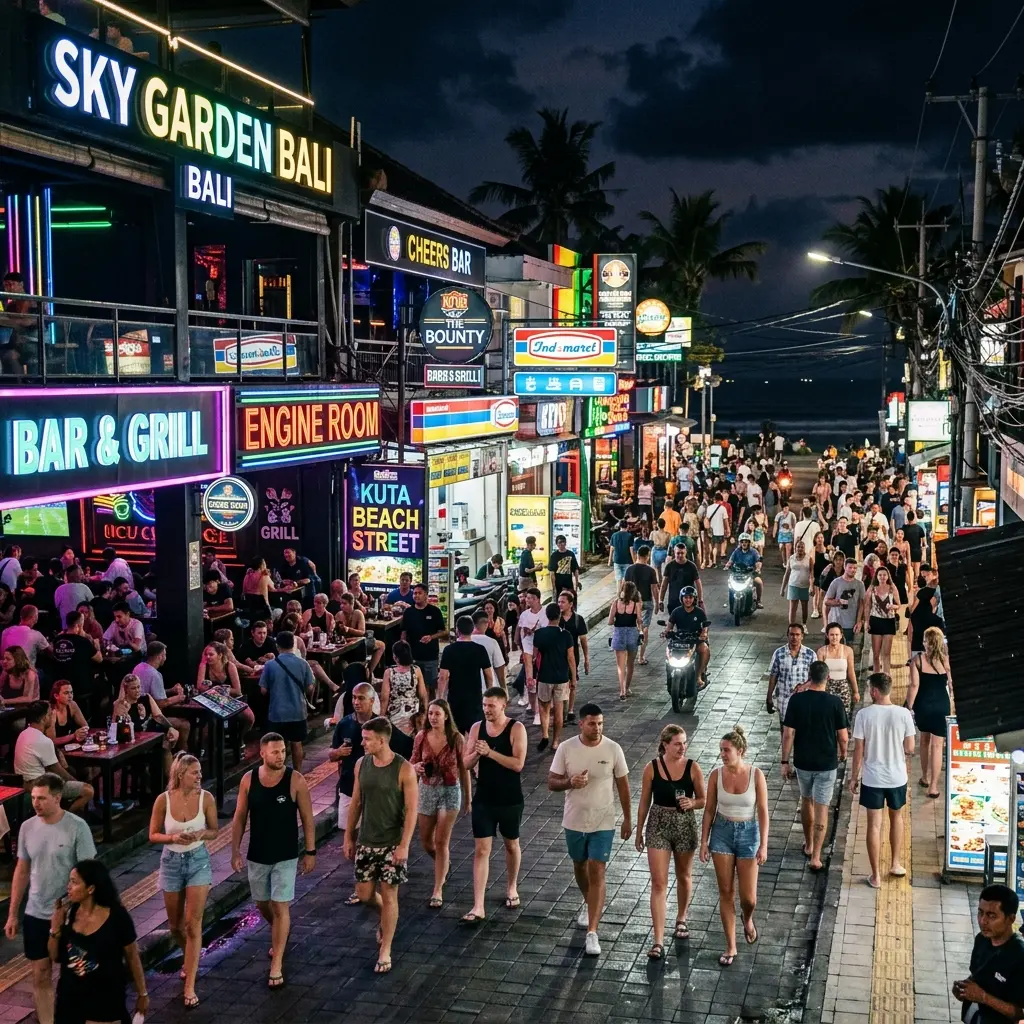
Because this article's purpose is harm reduction and honest guidance — not to send you to these locations — we will describe the industry's geography without providing street-level directions. What follows is documented, factual, and verifiable through journalistic sources.
Street-Based Activity
Certain areas of Kuta — historically Bali's most commercialised tourist zone — have long been associated with street-based solicitation, particularly along Jalan Legian and around the Beachwalk area late at night. The activity tends to surge after midnight and is substantially visible. It is also substantially visible to local police, who periodically conduct sweeps of the area. The "tolerance" that some tourists perceive is not official tolerance — it is the result of inconsistent enforcement and the corruptibility of some individual officers.
Karaoke Bars and Hostess Bars
Throughout Kuta, Seminyak, and parts of Denpasar, a category of establishments exists under the umbrella term "karaoke bar" or "KTV" that functions as a venue for commercial sex arranged through the mechanism of buying "companion drinks" for workers. These establishments are known to local authorities. They are raided periodically. Entry as a foreign tourist does not protect you from being caught in such a raid — it makes you more visible and more legally exposed, because your presence creates an international incident that local police have career incentives to escalate.
Massage and Spa Establishments
Bali has thousands of legitimate, entirely professional massage and spa businesses that provide therapeutic services with total professionalism. A small subset of establishments in tourist areas use "massage" as a front for commercial sex services. These are typically identifiable by aggressive tout behaviour outside, by location (basement or back-alley placements), and by pricing that is dramatically below-market. The "happy ending" culture that exists in some other Southeast Asian tourist destinations is not officially tolerated in Bali, and sting operations targeting these establishments are an ongoing enforcement activity. Do not assume that a massage booking is where the legal risk ends.
Online Solicitation
The industry has increasingly moved online — a topic covered in greater detail in the dedicated section below.
Specific Risks for Foreign Tourists
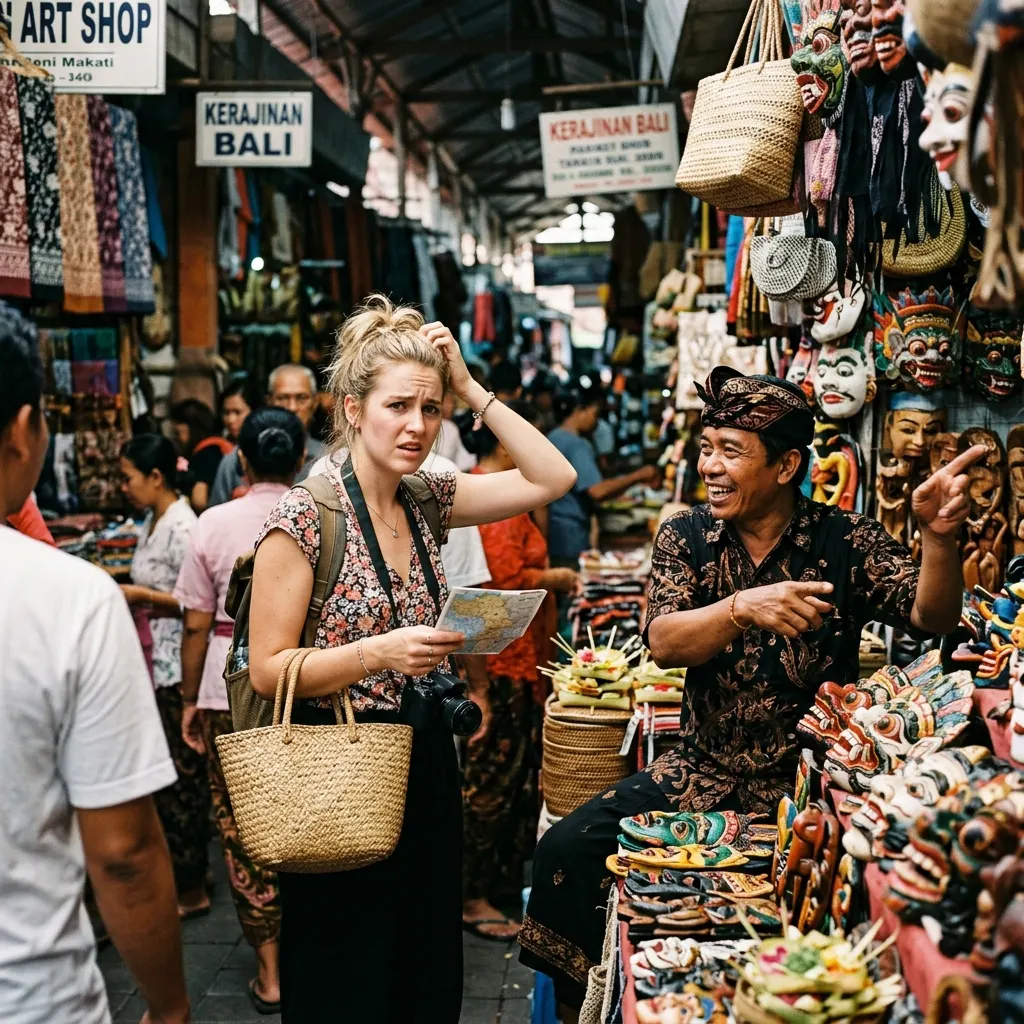
The risks a foreign tourist faces in engaging with Bali's sex industry are not theoretical. They are documented and they encompass legal, financial, health, and personal security dimensions simultaneously:
| Risk Category | Specific Risk | Realistic Worst-Case Outcome |
|---|---|---|
| Legal — Indonesian criminal law | Arrest during raid or following complaint | Criminal prosecution, up to 1–15 years imprisonment depending on charges applied |
| Legal — Immigration | Detection by immigration during or after arrest | Deportation + permanent entry ban |
| Legal — Home country reporting | Some countries have extraterritorial sex tourism laws | Prosecution in home country under extraterritorial sex tourism legislation |
| Financial — Extortion | Fake police or corrupt officers demanding payment | Loss of cash, bank cards, valuables; ongoing blackmail |
| Financial — Robbery | Being robbed by or with the complicity of a sex worker | Loss of phone, cash, passport, belongings |
| Health | STIs including HIV, Hepatitis B/C, HPV, syphilis, gonorrhoea | Chronic illness, treatment costs, transmission to partners at home |
| Personal security | Spiked drinks, blackmail photography, coercion | Financial extortion, reputational damage, physical harm |
How Enforcement Actually Works
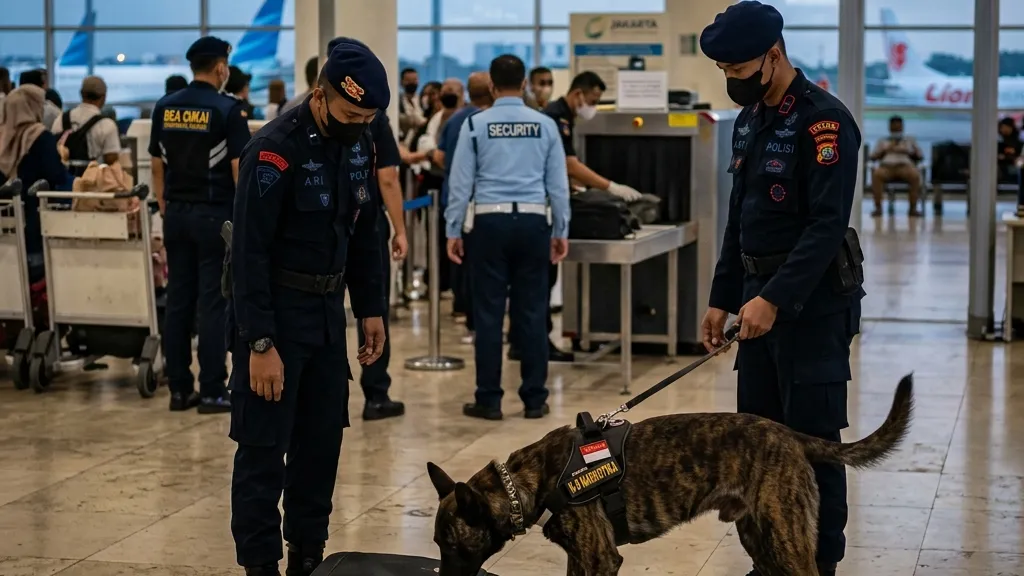
Enforcement of prostitution-related laws in Bali is inconsistent, contextual, and influenced by factors that tourists cannot reliably predict. Here is an honest picture of how it actually functions:
Periodic raids are real and happen without warning. Bali's Satpol PP (civil service police) and the National Police (Polri) conduct raids on venues suspected of facilitating commercial sex. These raids are sometimes triggered by public complaints from local residents or religious organisations, sometimes by political cycles (around elections, during Islamic holy periods, or following high-profile incidents), and sometimes simply by routine enforcement schedules. When a raid occurs, everyone present at the venue is detained and questioned. The fact that you thought you were at a karaoke bar is not a defence.
The "corrupt officer" problem. A separate enforcement reality is the presence of officers who use the threat of prostitution-related arrest as a mechanism for extracting bribes from foreign tourists. This is a real risk. It typically involves a person claiming to be an officer (sometimes genuine, sometimes not) confronting a tourist either during or after an encounter and demanding payment to make the situation "go away." The appropriate response — never pay — is psychologically very difficult in the moment and practically complicated when you have no idea whether the amount being demanded is less than what formal legal proceedings would cost.
Enforcement is not uniform across areas. Some areas of Bali experience much more active enforcement than others. Kuta's less tourist-visible back streets may see less enforcement than a venue in Canggu that attracts social media attention. But this variation is not something you can reliably predict or exploit as a safety strategy.
The Human Trafficking Dimension Tourists Ignore
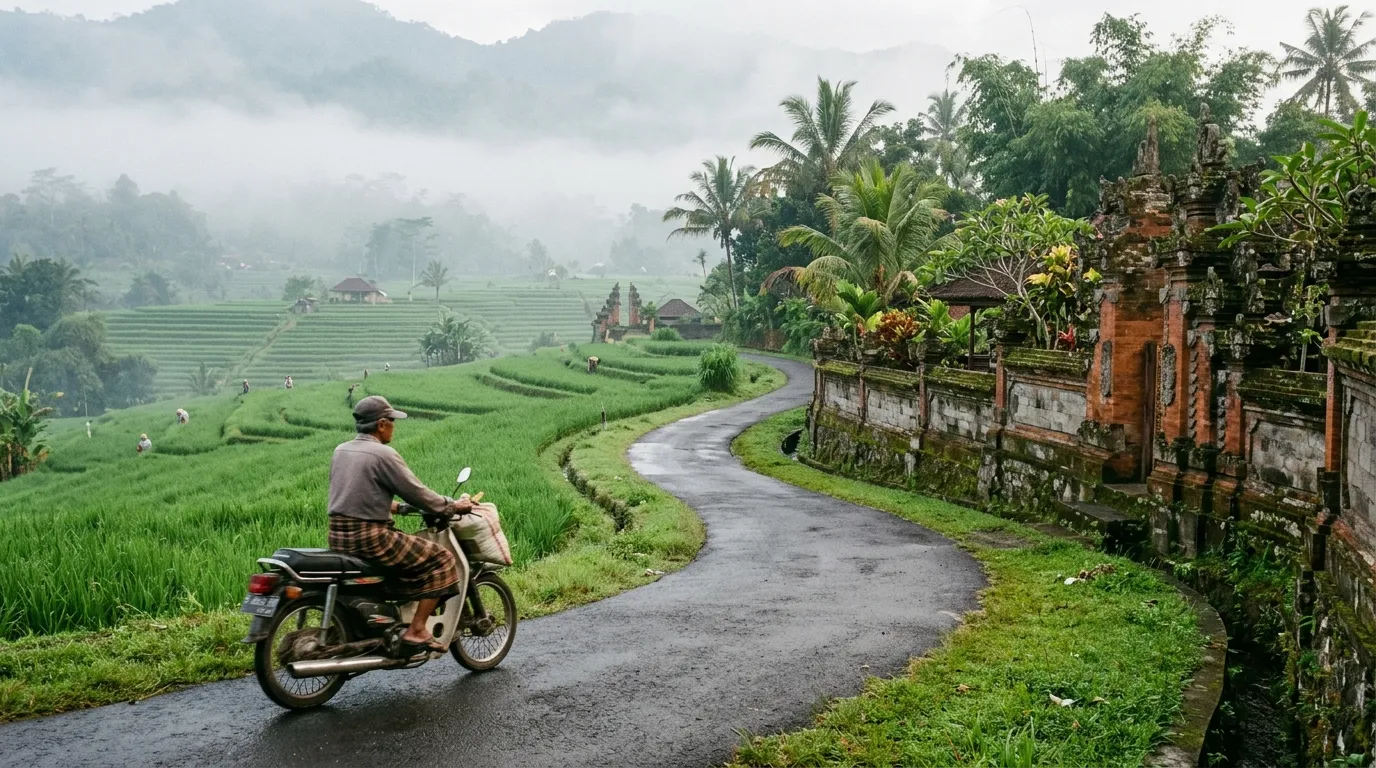
A dimension of Bali's sex industry that most tourist-facing discussions omit entirely is the substantial presence of human trafficking and labour coercion within it. The International Labour Organization (ILO) and Indonesia's own government have documented that a significant proportion of women in Indonesia's commercial sex industry — in Bali as elsewhere — are there under conditions of debt bondage, coercion, or outright trafficking.
This matters for several reasons that go beyond moral considerations (though moral considerations are themselves sufficient):
- Under Indonesian law (UU 21/2007), someone who knowingly uses the services of a trafficking victim can be treated as a participant in the trafficking offence. "I didn't know" is a defence that is very difficult to establish in a system where the prosecution has latitude in how it frames your participation.
- Some home countries have extraterritorial sex tourism laws that allow prosecution of their nationals for purchasing sex abroad, particularly where trafficking or child exploitation is involved. Australia, the UK, and the United States all have some version of such legislation. The extraterritorial provisions are rarely deployed against tourists but they exist and they have been used.
- Age verification is not something you can reliably conduct. The presence of minors in Bali's underground sex industry, while not the dominant feature, has been documented. Getting this wrong — even unknowingly — means potential charges under both Indonesian and international child protection law.
Health Risks: HIV, STIs, and Bali's Testing Reality
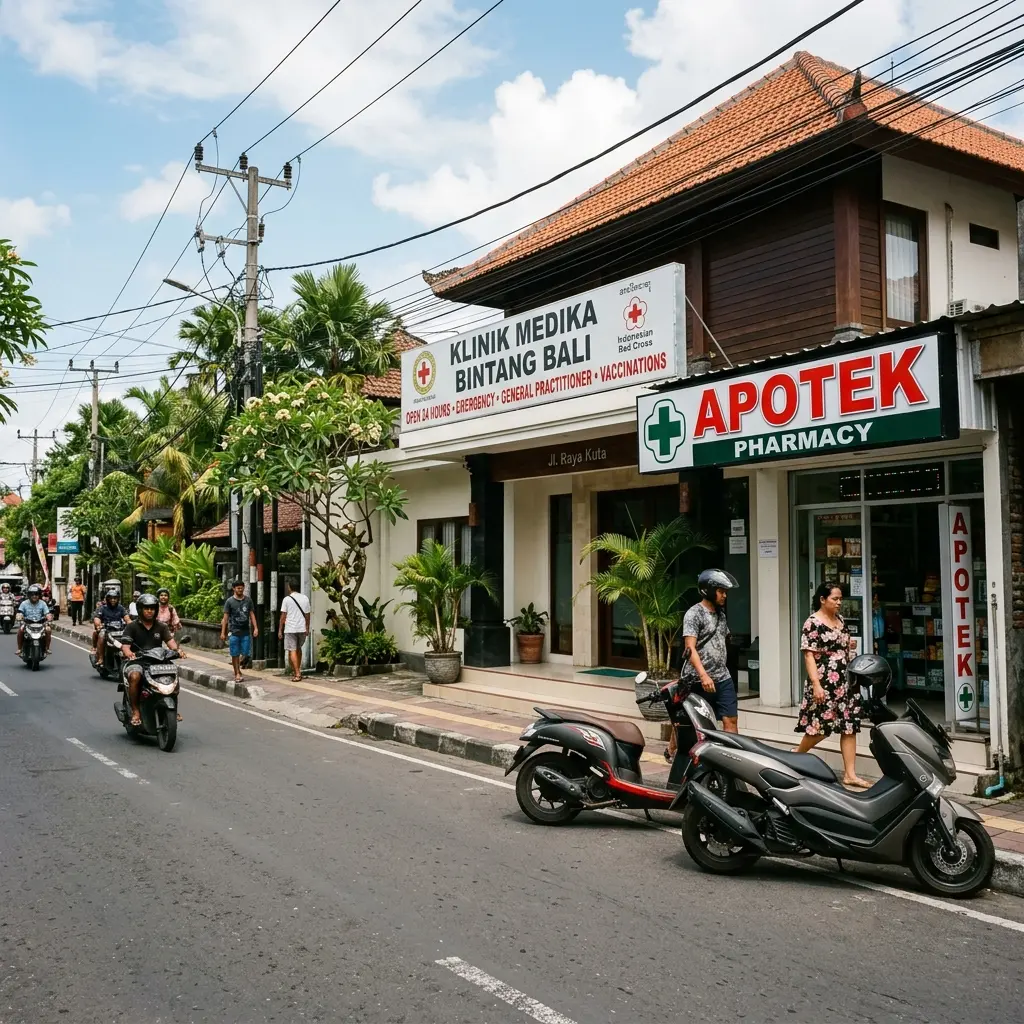
Indonesia faces a significant and growing HIV/AIDS epidemic, with Bali disproportionately affected given its status as Southeast Asia's premier tourist destination and the concentration of sex industry activity. The national HIV Coordinating Commission has documented:
- HIV prevalence among female sex workers in Bali is substantially higher than in the general population, with rates in some surveyed populations exceeding 4–8%
- Condom use rates in commercial encounters remain inconsistently low despite awareness campaigns
- Hepatitis B and C, HPV (multiple high-risk strains), syphilis, and antibiotic-resistant gonorrhoea strains are all documented in Bali's sex industry population
Access to post-exposure prophylaxis (PEP) for HIV in Bali is available at RSUP Sanglah (the main government hospital in Denpasar) and at some private clinics, but the 72-hour window for PEP effectiveness means that the treatment depends entirely on how quickly you access it — and on your willingness to disclose the circumstances of your potential exposure in a country where those circumstances are themselves illegal.
Dating Apps, Online Solicitation, and Entrapment
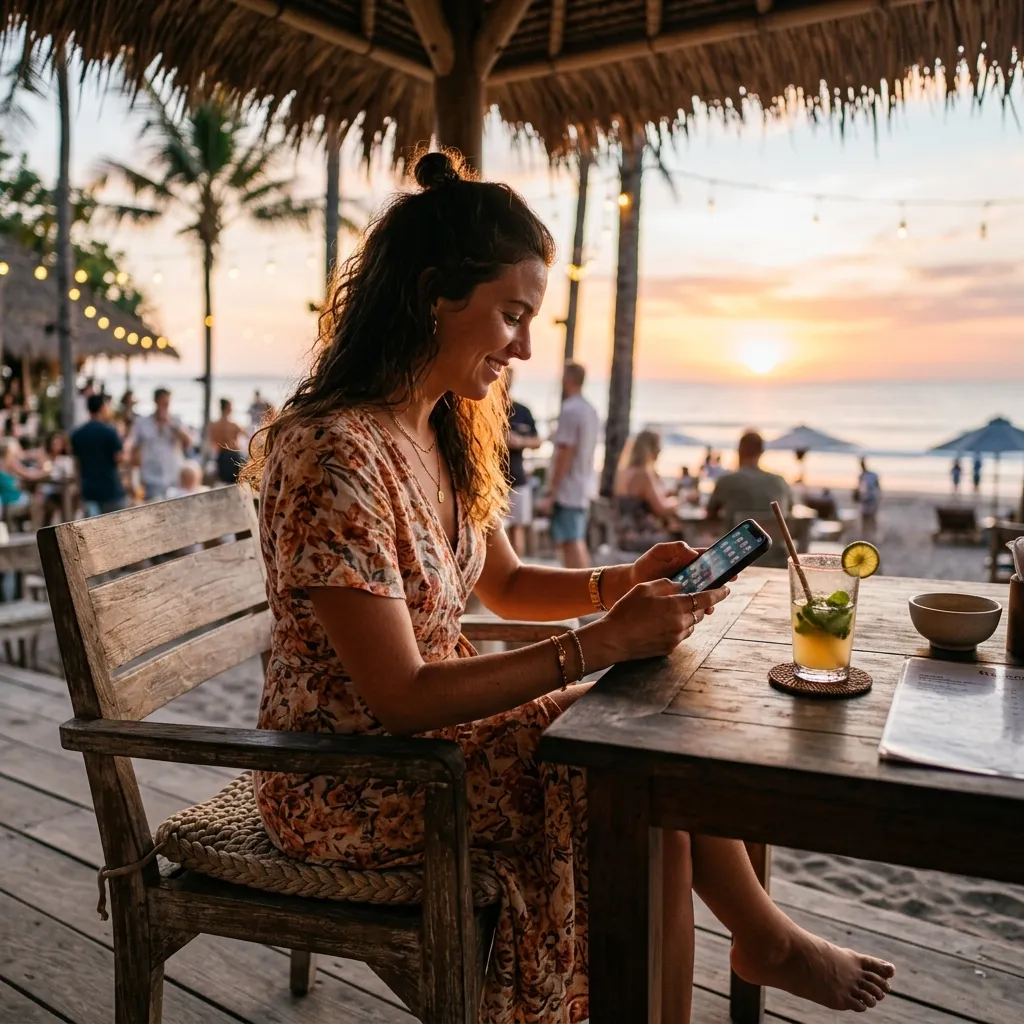
The significant shift in Indonesia's sex industry toward digital mediation — through apps and social media platforms — has created a new set of risks that tourists systematically underestimate. Here is the landscape:
Apps like certain internationally known dating platforms are used by sex workers to contact potential clients. The transaction is framed as a "date" or a "meet-up" with a "tip" arrangement. The legal exposure of this framing is not significantly lower than street-based solicitation — if police can establish the financial transaction and the sexual component, the relevant elements of the applicable offences are present.
Entrapment operations are documented. Indonesian police have used online platforms to conduct sting operations in which officers pose as sex workers to solicit foreign tourists, collect the agreed payment, and then arrest the tourist. Several such operations have been publicly reported. The defence that you "thought it was a date" is available but difficult to sustain when a payment was made.
Blackmail through recorded encounters. A documented and growing risk is the recording — without consent — of sexual encounters by sex workers or their associates, followed by demands for money to prevent the recording being sent to your employer, family, or social media contacts. Indonesia has no strong anti-deepfake or privacy protection framework that practically protects tourists from this kind of exploitation. Once the recording exists, your leverage is zero and the demands tend to escalate.
Documented Cases of Foreign Tourist Arrests
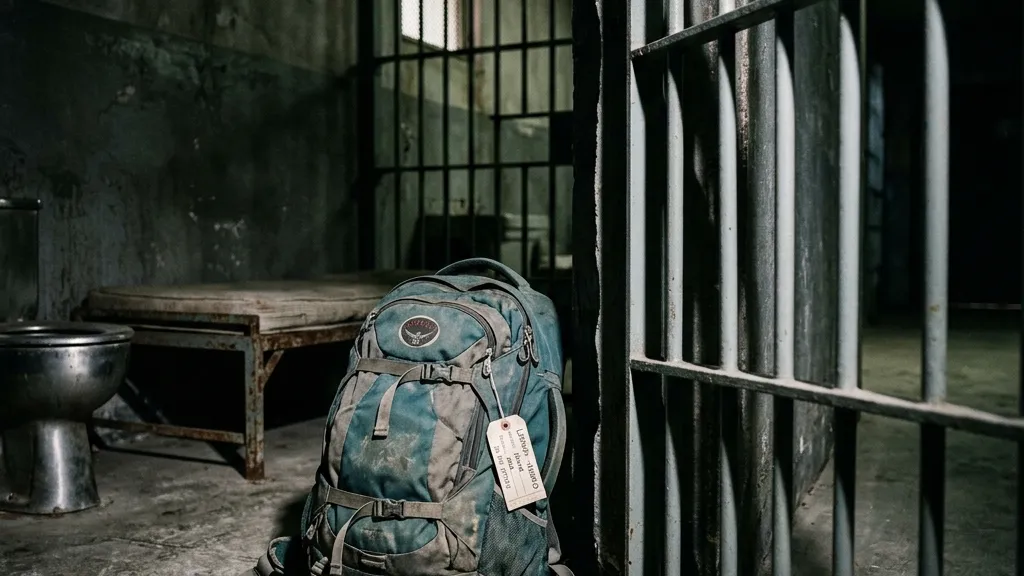
The following are representative cases drawn from journalistic and legal sources. Names are omitted:
- A 44-year-old Australian tourist (2024): Arrested following a Satpol PP raid on a KTV venue in Kuta where he was present with an escort arranged through an intermediary. He was detained for 8 days, subject to immigration proceedings, and deported after paying IDR 85 million in legal fees. His name appeared in the Indonesian press, generating a media article that now appears in search results for his name.
- A 38-year-old European man (2023): Reported to police by the sex worker's family under the new KUHP complaint provisions after a disagreement over payment. He was charged under both the prostitution-facilitation provisions and an extortion counter-complaint he filed (which was dismissed). After 6 months in pre-trial detention, he was convicted and sentenced to 8 months (reduced by time served) plus deportation.
- Online sting arrest (2024, Seminyak): A 29-year-old tourist arranged an encounter through a messaging app. The person he paid was a plainclothes officer. He was arrested upon arrival at the arranged meeting point. He was released after a protracted negotiation involving the Australian Consulate — the outcome was extraordinarily unusual and should not be treated as representative of what is achievable.
If You Are Detained: What Happens Next

If you are detained in connection with prostitution-related activity in Bali, the process follows a pattern:
- Initial detention: You will be taken to the local police station (Polsek or Polres). You have the right to remain silent and the right to an interpreter. Assert both immediately and do not sign any documents you have not had a lawyer review.
- Contact your embassy or consulate immediately: Indonesian law requires authorities to notify your country's diplomatic mission. Your consulate cannot intervene in legal proceedings but can provide a lawyer list, monitor your treatment, and contact your family. Call them first, before anyone else except a lawyer. Our guide to getting arrested in Bali covers the full criminal process, your rights, and embassy contact details.
- Engage a Bali-based lawyer with criminal case experience: Standard legal fees for criminal defence in Bali range from USD 3,000 to USD 50,000+ depending on the charges and the outcome sought. Courts in Bali move slowly. Pre-trial detention of weeks to months is common.
- Immigration proceedings may run parallel: Even if the criminal case is resolved in your favour, immigration authorities may initiate a separate deportation procedure. These are civil proceedings and operate independently of the criminal case.
- Do not attempt to bribe anyone in an uncontrolled way: Paying a corrupt officer who approaches you during a raid is one thing (a practical reality that morally compromised people make pragmatically). Attempting to bribe a formally arresting officer is an additional criminal offence — bribery of a public official — that compounds your position significantly.
Final Word: The Real Cost of the Risk

The calculation that some tourists make — "the risk is low, the enforcement is spotty, and nothing will happen to me" — is exactly the calculation that results in men sitting in immigration detention, paying tens of thousands of dollars in legal fees, having their name associated with a criminal record, and carrying a permanent entry ban to one of the most beautiful places on earth.
The industry's visibility creates an illusion of tolerance that is not legally real. The price of getting this wrong is not an administrative fine. It is your reputation, your freedom, your career, and your relationship with Indonesia permanently ended.
Bali has more to offer than any destination in Southeast Asia — its extraordinary Hindu culture, its world-class beaches, its incredible food scene, its wellness retreats, and the warmth of its people. None of that requires any legal risk whatsoever. Our job at Your Happiness Tours is to help you access all of it — safely, legally, and with the kind of local expertise that makes every day genuinely extraordinary.
For more essential safety reading, see our guides on drug laws in Bali, what happens if you get arrested in Bali, and our complete scam awareness guide.
Bali Is Incredible — Experience It Without Compromise
The island delivers extraordinary moments — hidden waterfalls, volcano treks at sunrise, world-class beach clubs — without any legal risk. Let us show you the real Bali.
👉 Browse Our Bali Tours and Plan Your Trip
Frequently Asked Questions
Is commercial sex work legal anywhere in Bali or Indonesia?
No. Prostitution is illegal throughout Indonesia under the Criminal Code (KUHP) and Law No. 21/2007 on the Elimination of the Crime of Trafficking in Persons (PTPPO). Operating brothels, pimping, and public solicitation are serious criminal offenses.
What are the specific physical and legal risks for tourists engaging sex workers in Bali?
Risks include drink spiking, coordinated villa robbery, extortion by fake police syndicates, entrapment on digital messaging apps, high prevalence of sexually transmitted infections (STIs), and potential involvement in human trafficking investigations.
What is the "massage parlor" extortion trap in nightlife districts?
Unlicensed roadside massage parlors along Jalan Legian or Kuta offer services at low prices, but once inside private rooms, aggressive managers or security personnel demand exorbitant "room fees" or staged police payoffs under threat of physical violence.
Does Indonesia's 2022 Criminal Code penalize unmarried foreign tourists staying together in hotel rooms?
No. Under the updated KUHP, extramarital sex is an absolute complaint offense (delik aduan) requiring a formal complaint filed by an immediate family member (spouse, parent, or child). The Indonesian government has clarified this does not target unmarried tourists sharing accommodations.
How does digital entrapment operate on dating apps like WeChat or MiChat in Bali?
Criminal rings create fake profiles offering commercial encounters to lure tourists into isolated hotel rooms or private villas, where accomplices burst in with cameras or fake police credentials to demand massive cash bribes.