Is Weed Legal in Bali 2026? The Myths vs. The Harsh Legal Reality
Cannabis is a Group I Narcotic in Indonesia — same as heroin. Possession means 4–12 years in Kerobokan Prison. Here is the 2026 legal reality on weed, CBD oil, and edibles in Bali.
By Larry Timothy • 3 March 2026 • 16 min read
- Marijuana is completely illegal in Bali and across Indonesia. Cannabis sits in Group I Narcotics, the most severe category, alongside heroin. There is no legal tolerance, no grey zone, and no tourist exemption.
- The new 2026 Criminal Code (KUHP) did not decriminalise weed in Bali or anywhere in Indonesia. It introduced minor procedural reforms but left narcotics penalties intact.
- Possession of even a tiny amount of weed leads to 4 to 12 years in prison. Distribution or trafficking carries a mandatory minimum of 5 years, up to the death penalty.
- CBD oil, THC products, cannabis gummies, and "medical marijuana" are all illegal in Bali regardless of country of origin or documentation you carry.
- Thailand's cannabis legalisation has zero influence on Indonesian law. The Indonesian government has publicly and repeatedly stated it will not follow Thailand's lead.
Table of Contents
- The Myth: Why Tourists Assume Bali Is Tolerant of Weed
- The Legal Framework: Indonesia's Narcotics Law
- What the New 2026 Criminal Code (KUHP) Actually Changed
- Cannabis Classifications in Bali Indonesia 2026: Where Weed Sits
- Weed in Bali Punishment: Possession, Use & Trafficking
- CBD Oil, Medical Cannabis & Edibles in Bali
- Kerobokan Prison: The Reality Behind the Bars
- Real Cases: Tourists Who Got the Bali Weed Laws Wrong
- How Indonesian Police Detect and Arrest Cannabis Users
- The Thailand Comparison: Why It Doesn't Apply to Indonesia
- At the Airport: What Security Finds in Your Bag
- If You Are Arrested for Weed in Bali: What Happens Next
- Bali Weed Laws FAQ: Common Questions Answered
- Final Word: There Is No Safe Middle Ground
The Myth: Why Tourists Assume Bali Is Tolerant of Weed
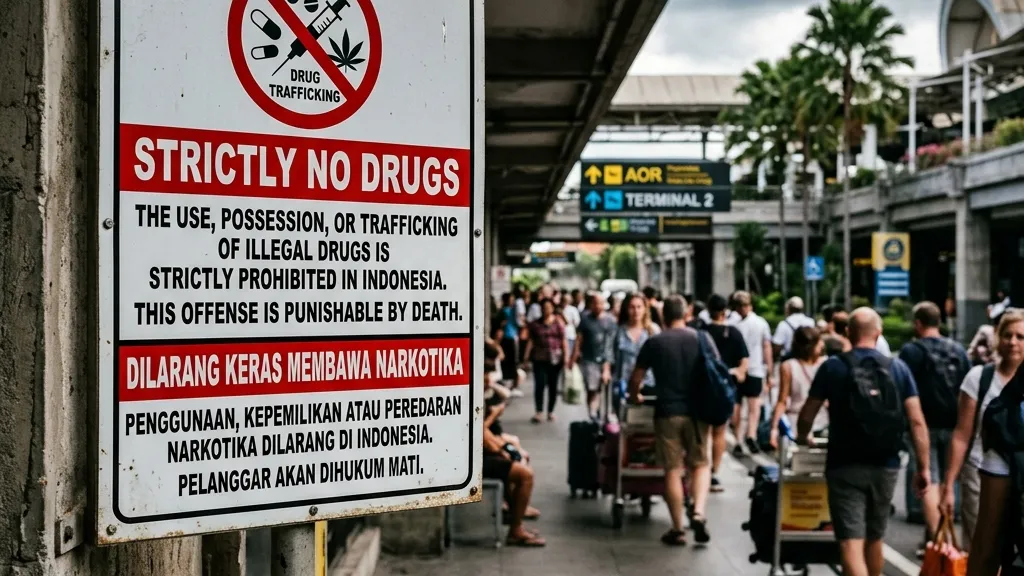
Let's start with why this myth exists, because it didn't come from nowhere. Several intersecting narratives have created a widespread, dangerous misconception among Western tourists that Bali exists in some kind of legal grey zone regarding cannabis. The question "is weed legal in Bali?" gets searched thousands of times every month, often by tourists already on a plane.
The "island vibe" assumption: Bali's surf culture, its wellness and yoga scene, its deeply spiritual aesthetic, and its reputation for being a destination for "free thinkers" and digital nomads has created an image of a place that operates by different rules. The abundant use of incense, the hippy-inflected café culture of Canggu, and the general relaxation of the atmosphere cause some visitors to project a corresponding legal liberality onto the island. That liberality does not exist.
The Thailand effect: In 2022, Thailand made global headlines by decriminalising cannabis and allowing commercial sales. Since Thailand is a popular Southeast Asian destination visited by many of the same tourists who visit Bali, the assumption has formed, entirely incorrectly, that Southeast Asia as a region is moving toward drug liberalisation. Thailand's government itself reversed course significantly in 2024 with re-criminalisation measures. More importantly: Thailand is Thailand, and Indonesia is Indonesia. They are different sovereign nations with profoundly different legal and cultural frameworks. One country's policy has no bearing on the other's.
The "everyone does it" whisper network: In Canggu's co-working cafés and on social backpacker forums, anecdotes circulate about people who "smoked on the beach and nothing happened" or who were offered cannabis by a taxi driver. These survivor stories are selection bias in action. You only hear from people who weren't caught. The ones currently serving 6-year sentences in Kerobokan are not posting on travel forums.
The local supply chain illusion: The fact that weed in Bali can be obtained, because there is a criminal supply chain as in virtually every tourist destination, creates the false impression that its use must be at least somewhat tolerated by authorities. The supply and the tolerance are separate things entirely. Police enforcement in Indonesia specifically targets buyers as well as sellers.
The Legal Framework: Indonesia's Narcotics Law
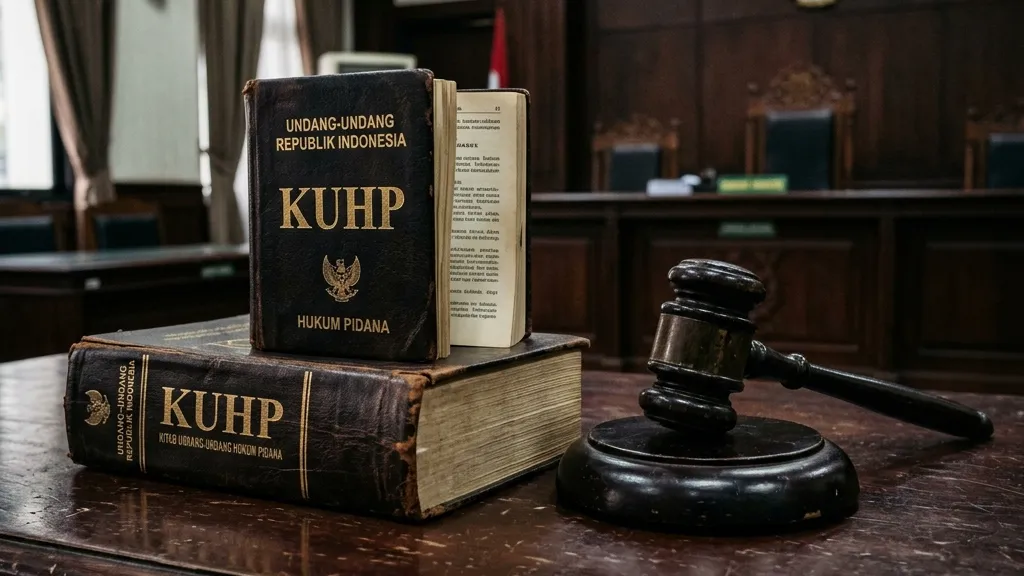
The primary legislation governing narcotics in Indonesia is Law No. 35 of 2009 on Narcotics (Undang-Undang Nomor 35 Tahun 2009 tentang Narkotika). This law predates the 2026 KUHP reform and remains fully in force. It is one of the strictest narcotics laws in the world and applies equally and without exception to Indonesian citizens and foreign nationals. Anyone asking "are marijuana laws in Bali different from the rest of Indonesia?" should know the answer is no. Bali follows the same national framework.
The law establishes three groups of controlled substances:
- Group I Narcotics: Substances considered to have no accepted medical use and high potential for abuse. This group includes heroin, cocaine, methamphetamine, MDMA (ecstasy), psilocybin mushrooms, and cannabis (marijuana, hashish, THC in any form). Penalties for Group I narcotics are the most severe available under Indonesian law.
- Group II Narcotics: Substances with limited accepted medical use under strict conditions. Includes morphine and certain opiates used in medications.
- Group III Narcotics: Substances used in medicine with lower abuse potential. Includes some codeine-class medications.
The placement of cannabis in Group I, alongside heroin, is not an administrative oversight or an outdated relic waiting to be updated. It reflects a deliberate, actively maintained policy position of the Indonesian government at the highest levels. The National Narcotics Board (Badan Narkotika Nasional, or BNN) has repeatedly and explicitly stated that cannabis will remain a Group I narcotic for the foreseeable future.
What the New 2026 Criminal Code (KUHP) Actually Changed
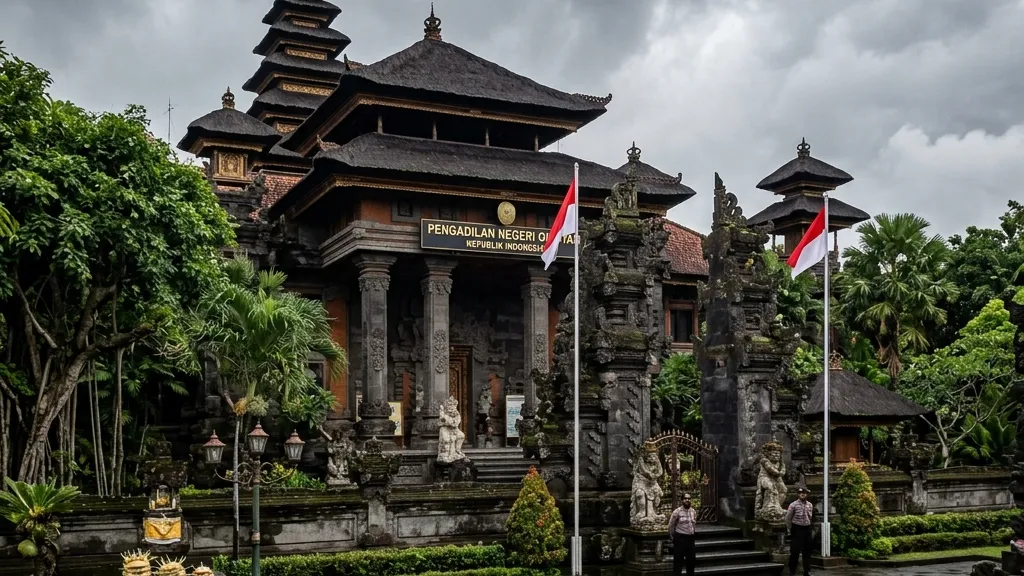
Indonesia's revised Criminal Code (KUHP), which came into full force in January 2026, was widely discussed in international media. Several reports characterised it primarily in terms of its controversial new provisions on cohabitation and public morality. What these reports almost universally failed to clarify was what the KUHP did not change: the narcotics framework.
The KUHP is a general criminal code covering a wide range of offences. Narcotics offences in Indonesia, however, are governed by the specific Narcotics Law (UU 35/2009), which operates as a lex specialis, a specialised law that takes precedence over the general criminal code in its specific domain. The 2026 KUHP did not repeal, modify, or supersede the Narcotics Law. Cannabis legality in Indonesia 2026 remains identical to what it was before the reform. Anyone searching for "cannabis laws Bali Indonesia 2026" expecting good news will find none.
The minor reform that the KUHP did introduce relevant to drug offences was a somewhat broader framework for diversion to rehabilitation for first-time personal-use offenders. This sounds significant but is less so in practice: judges in Indonesia retain full discretion over whether to apply diversion, the threshold for "personal use" is extremely low (see penalty section below), and the rehabilitation pathway is not a guarantee. It is a possibility you must argue for successfully in court, with an Indonesian lawyer, at significant expense, in a system where the burden of proof assumptions favour prosecution.
Cannabis Classifications in Bali Indonesia 2026: Where Weed Sits
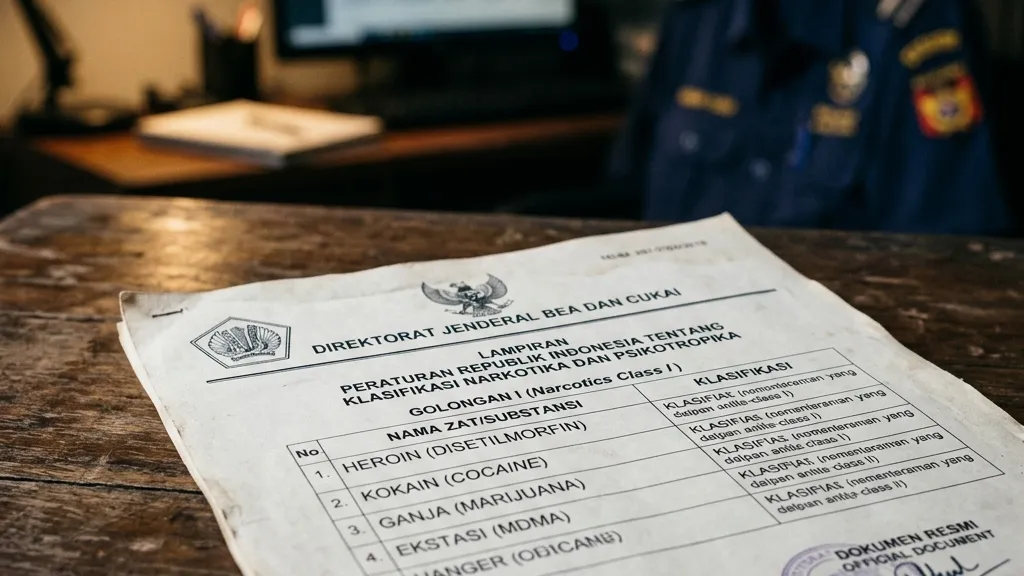
To make this absolutely concrete, here is how Indonesian law classifies the substances most commonly associated with cannabis users travelling internationally. This is the definitive table on cannabis legality in Bali Indonesia 2026:
| Substance | Indonesian Classification | Legal Status in Bali |
|---|---|---|
| Marijuana (flower, bud, leaf) | Group I Narcotic | Completely Illegal |
| Hashish / cannabis resin | Group I Narcotic | Completely Illegal |
| Cannabis oil (THC-containing) | Group I Narcotic | Completely Illegal |
| CBD oil (any concentration) | Group I Narcotic (THC-adjacent classification) | Completely Illegal |
| Cannabis edibles (gummies, brownies) | Group I Narcotic | Completely Illegal |
| Medical marijuana (any origin) | Group I Narcotic | Completely Illegal |
| Hemp-derived CBD (low/zero THC) | Legally ambiguous, treated as illegal in enforcement | Do Not Bring |
The CBD entry deserves special emphasis because it is the source of enormous confusion among tourists from countries where CBD is legal and sold openly in pharmacies and supermarkets. Indonesian law does not recognise the THC/CBD distinction in the way that US FDA classifications or EU regulations might. Any product derived from the cannabis plant is treated as a narcotic by Indonesian enforcement authorities. The documentation from your home country's pharmacy, the certificate of analysis showing 0.0% THC, the prescription from your doctor, none of these documents carry any legal weight in Indonesia. Is CBD oil legal in Indonesia? No.
Weed in Bali Punishment: Possession, Use & Trafficking
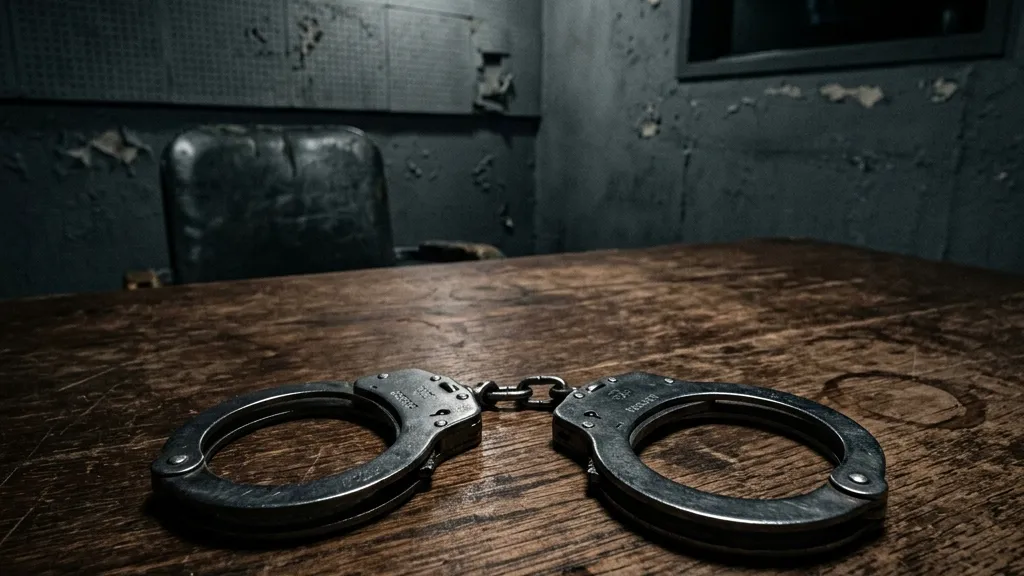
Under the Narcotics Law (UU 35/2009), penalties are calibrated by quantity and purpose (personal use versus distribution). The thresholds are extremely low and the baseline penalties are severe. Here is the full breakdown of weed in Bali punishment under current law:
Personal Use / Possession
- Article 111: Possession of Group I plant-based narcotics (cannabis, opium poppy) carries a minimum 4 years, maximum 12 years imprisonment plus a fine of IDR 800 million.
- Article 127: Personal use of Group I narcotics carries a minimum 1 year, maximum 4 years imprisonment. This is the provision under which a rehabilitative diversion might be applied by a judge but is not guaranteed.
Distribution / Trafficking
- Article 114: Offering, selling, buying, importing, exporting, or distributing Group I narcotics carries a minimum 5 years, maximum 15 years. For quantities exceeding 1 kilogram or 5 plants: minimum life imprisonment or death penalty.
- Article 112: Possession without proof of personal use (police determine you are holding for distribution) carries a minimum 4 years, maximum 12 years. For quantity exceeding 1 kilogram: minimum life imprisonment.
How "Personal Use" Is Determined
This is where a critical misunderstanding arises. The distinction between "personal use" and "possession with intent to distribute" in Indonesian law is not determined purely by the quantity found. It is determined by the investigating officer and prosecutor's assessment informed by the quantity, packaging, the presence of scales or additional bags, your demeanour, the location of arrest, and any prior record. There is no statutory minimum quantity below which possession is automatically treated as personal use. Having 5 grams packaged in separate small bags is not "personal use" in the eyes of an Indonesian prosecutor. It is distribution packaging.
CBD Oil, Medical Cannabis & Edibles in Bali
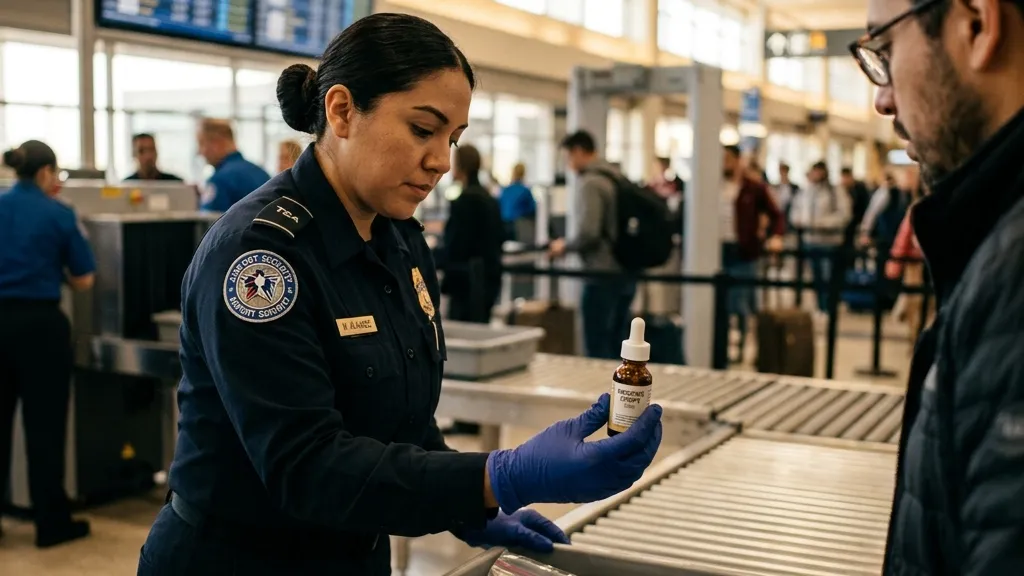
This section exists because it is the most common source of genuine and well-intentioned mistakes. People bring CBD products to Bali not to get high. They bring them for genuine medical reasons (anxiety, sleep, epilepsy, chronic pain), or because they simply did not understand that Indonesian law draws a fundamentally different line than their home country's law. The question "is CBD legal in Bali?" comes up often, and the answer surprises many travellers.
Here is the situation, stated as clearly as possible:
- If you carry CBD oil into Bali, you are carrying an illegal substance under Indonesian law. The fact that CBD is legal in your home country is irrelevant the moment you pass through Indonesian customs.
- Airport X-ray and physical inspection detect CBD oil, cannabis gummies, and related products. Ngurah Rai International Airport uses modern scanning equipment, trained narcotics dogs, and a dedicated customs narcotics team. "But it was in my checked luggage" is not a defence.
- The medical necessity argument is not a legal defence in Indonesia for Group I narcotics. Indonesian law does not provide a medical exception for cannabis in any form. Even in countries with full medical cannabis programmes, the medical card is a domestic legal instrument with no international force. Bringing medicinal weed to Bali, including a doctor's prescription, will not protect you.
- Consult your doctor and seek alternative medications for any conditions you manage with CBD or cannabis before travelling to Indonesia. This is not a suggestion. It is the only safe course of action.
Kerobokan Prison: The Reality Behind the Bars
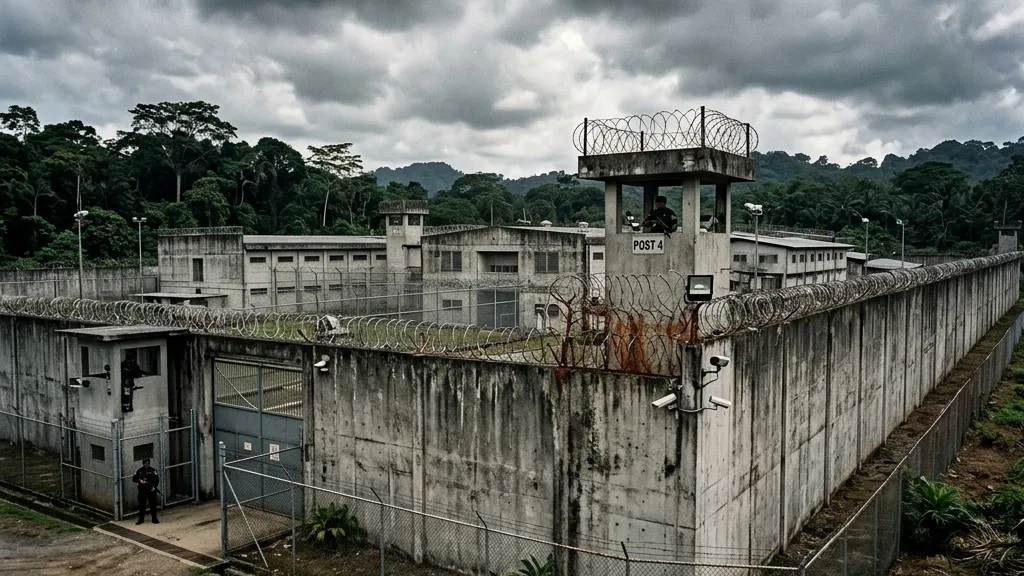
If you are arrested on narcotics charges in Bali, your most probable destination while awaiting trial and serving your sentence is Lapas Kerobokan, officially Lembaga Pemasyarakatan Kelas IIA Kerobokan, in the Badung regency, west of Seminyak. It has housed more famous foreign drug offenders than any other prison in Southeast Asia.
Kerobokan's international profile was dramatically raised by Australian Schapelle Corby, convicted in 2005 of importing cannabis and sentenced to 20 years (later reduced). The Bali Nine (2005), nine Australians caught attempting to export heroin, drew massive media coverage, with two members executed by firing squad in 2015 and others serving life sentences. Brazilian Marc Ament was sentenced to life imprisonment on drug charges. These cases are not historical anomalies. They are examples of a system that remains fully operational and fully severe.
Conditions at Kerobokan are overcrowded and difficult. The prison was designed for around 300 inmates and routinely houses over 1,000. Foreign nationals typically have access to better-resourced areas of the prison, often through payments facilitated by family and legal counsel. This is not a comfort. It is a description of a system where basic dignity requires ongoing financial outlay from your family while your legal case proceeds over months or years. The average time from arrest to sentencing in an Indonesian narcotics case involving a foreign national is 12 to 24 months. That is 12 to 24 months in pre-trial detention, after which comes a sentence that lasts years longer.
Real Cases: Tourists Who Got the Bali Weed Laws Wrong
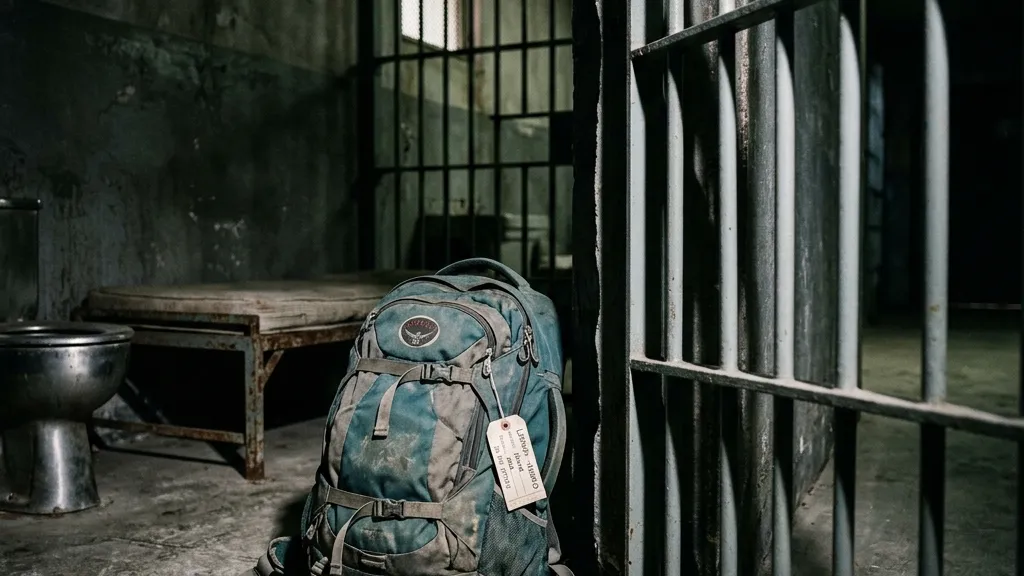
Names are omitted for privacy, but the following case profiles are documented and representative of what happens when tourists misunderstand the marijuana laws in Bali:
- The "Just Trying It" Tourist (2023): A 24-year-old European tourist purchased marijuana from a taxi driver in Seminyak. The transaction was observed by plainclothes police. He was arrested with 2.3 grams. He spent 14 months in pre-trial detention before being sentenced to 3 years in Kerobokan under Article 127. His family spent over USD 30,000 on legal costs. He was deported upon release and permanently banned from Indonesia.
- The "CBD for Anxiety" Traveller (2024): A 31-year-old Australian woman carried a CBD oil tincture prescribed in Australia for anxiety disorder in her carry-on luggage. It was flagged at Ngurah Rai's security screening. She was detained for 72 hours and ultimately released without charge after a tense investigation period, significant legal fees, and the intervention of the Australian Consulate. She was extraordinarily lucky. Outcomes like this are not the norm and cannot be relied upon.
- The "It's a Small Amount" Logic (2022): A 28-year-old American digital nomad was found with 0.8 grams of cannabis at a police checkpoint in Canggu. He had been living in Bali for 6 months. He argued the amount was for personal use. The prosecutor argued distribution. After 18 months of proceedings, he was sentenced to 4 years under Article 111. His digital nomad visa, his business, his client contracts, and his relationship all collapsed during his detention.
How Indonesian Police Detect and Arrest Cannabis Users
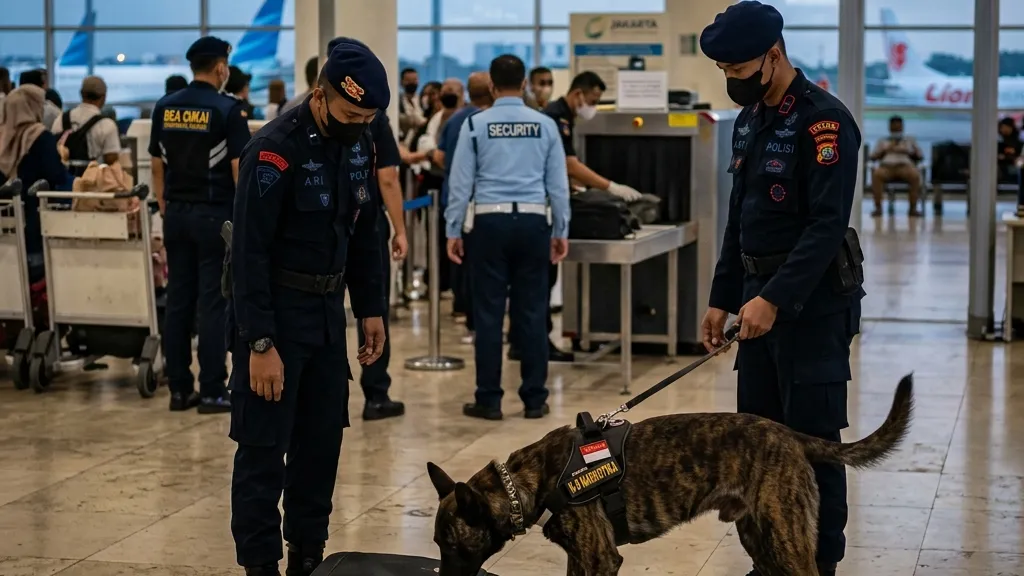
Indonesian narcotics enforcement in Bali is not passive. The National Narcotics Board (BNN) and the Bali Provincial Police (Polda Bali) run active, ongoing narcotics operation units whose specific mandate includes tourist areas. Anyone wondering "can you smoke weed in Bali without getting caught" should read this section carefully:
- Plainclothes surveillance: Officers in civilian clothes operate in known supply zones (Canggu's beach areas, specific streets in Seminyak and Kuta, specific beach spots in Uluwatu). They observe transactions and observe drug use before making an arrest.
- Checkpoint operations: Random police checkpoints on tourist routes include narcotics dogs and bag searches. These are not for traffic violations alone. The dogs are narcotics-trained.
- Informant networks: The supply network itself is often compromised. Taxi drivers and street vendors who sell cannabis to tourists frequently work in cooperation with law enforcement, either as paid informants or under police pressure. The person who sells weed to you in Bali is sometimes the same person who hands your description and location to the arresting officer. These police-informant setups are among the most dangerous scams targeting tourists in Bali.
- Social media monitoring: Bali's immigration and police authorities actively monitor social media for content filmed in Bali that depicts illegal behaviour, including cannabis use. Several tourists have been arrested based on content they themselves publicly posted.
- Urine tests: Police have authority to administer urine drug tests at checkpoints. A positive test for THC metabolites (which remain detectable for 2 to 4 weeks after last use, longer for heavy users) is sufficient to initiate narcotics proceedings regardless of whether any physical substance is found on you.
The Thailand Comparison: Why It Doesn't Apply to Indonesia
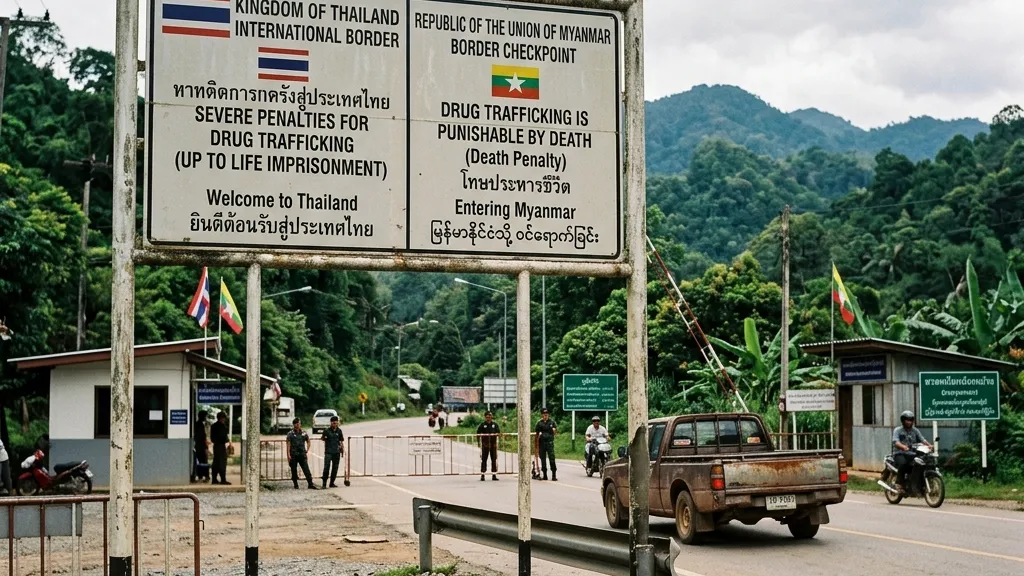
Thailand's cannabis decriminalisation (2022) and subsequent partial re-criminalisation (2024) attracted enormous international media attention. Many of the tourists asking "is weed legal in Bali Indonesia?" or "is weed legal in Indonesia?" are directly influenced by the Thailand news cycle. A few points of clarification:
- Thailand and Indonesia are separate nations with separate legal systems, separate governments, separate cultural contexts, and separate policy trajectories. The fact that Thailand made one choice has no legal or political bearing on Indonesia's choices.
- Indonesia has explicitly and publicly rejected Thailand's direction. In multiple statements throughout 2022 to 2025, Indonesian government officials including then-President and current national officials have stated unequivocally that Indonesia will not follow Thailand's lead on cannabis. BNN chief officers have used Thailand's experience as a cautionary tale in official statements.
- Indonesia is a signatory to the UN Single Convention on Narcotic Drugs (1961) and has positioned its narcotics policy within a framework of international treaty obligations. Any significant shift would require treaty renegotiation, a long, politically complex process with no current momentum.
- Indonesia's cannabis legalisation movement is effectively non-existent at the parliamentary level. There is no significant lobby, no active legislative effort, and no political coalition that has advanced cannabis reform as a platform position. In the current political environment, such a campaign would face insuperable obstacles.
At the Airport: What Security Finds in Your Bag
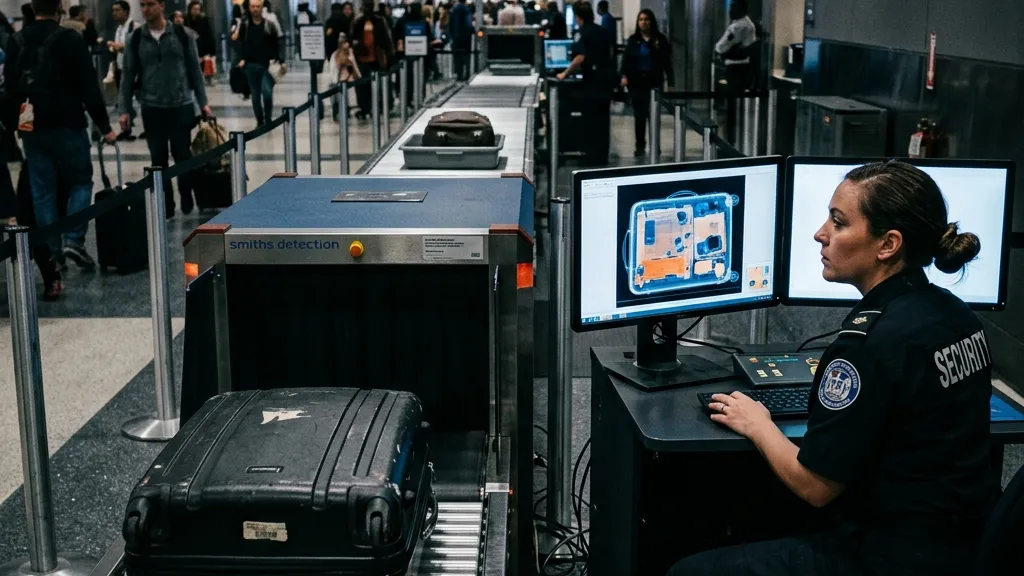
Ngurah Rai International Airport (DPS) is a major international hub processing millions of passengers annually. Its customs and immigration operation includes:
- Multiple layers of X-ray screening for hand luggage and checked baggage
- Narcotics detection dogs (trained for cannabis, heroin, cocaine, MDMA, and methamphetamine) operating at both arrivals and departures
- A dedicated Customs and Excise Narcotics Investigation team
- International intelligence-sharing with source-country customs authorities (particularly Australia, Netherlands, UK, and Brazil, the nationalities with the highest historical drug arrest rates at DPS)
The dogs are specifically relevant to CBD oil and cannabis products. Their olfactory sensitivity is calibrated to detect cannabis-derived compounds at extremely low concentrations. The level of THC in a "zero THC" CBD product is irrelevant to a dog's ability to detect plant-origin cannabis compounds. Do not attempt to board a flight into or out of Bali with any cannabis-derived product.
If You Are Arrested for Weed in Bali: What Happens Next
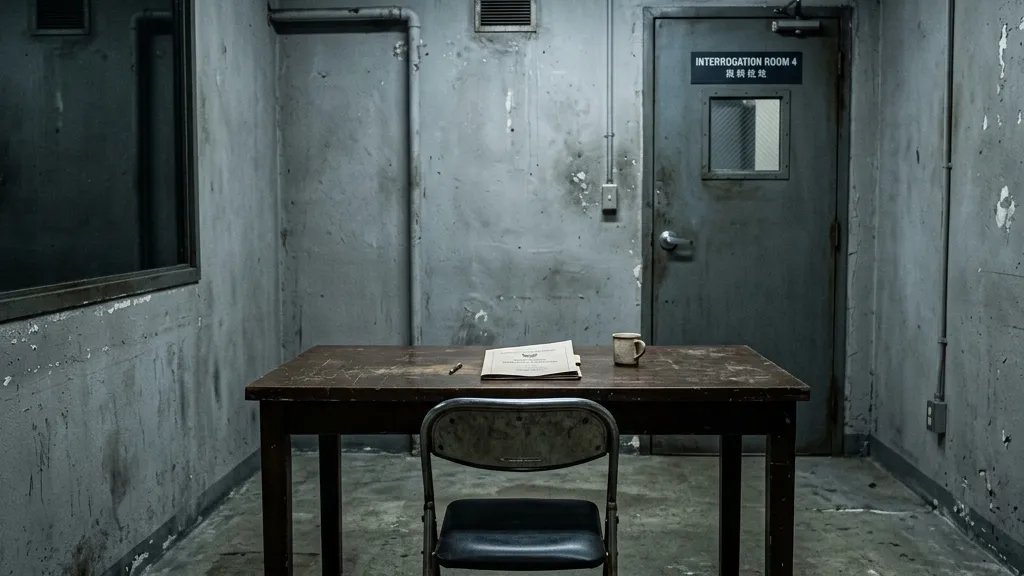
If, despite all of the above, you are arrested on drug-related charges in Bali, here is what the process looks like:
- Arrest and initial detention: You will be detained at the arresting police station (Polsek or Polres level) for initial processing. You have the right to remain silent and the right to legal counsel. Assert both immediately. Our guide to getting arrested in Bali covers the full step-by-step process in detail.
- Contact your embassy or consulate: Indonesian law requires authorities to notify your country's diplomatic mission of your arrest. Your consulate provides a list of local lawyers, ensures you are not mistreated, and communicates with your family. They cannot, however, intervene in legal proceedings or secure your release.
- Engage a reputable local lawyer immediately: The quality of legal representation in Indonesian narcotics cases varies enormously. Do not accept a court-appointed lawyer without research. Your consulate's list is a starting point. A good lawyer with narcotics case experience in Bali makes the difference between a sentence and a diversion to rehabilitation.
- Pre-trial detention: Expect to be in detention for the duration of the investigation (typically 20 days initially, extendable) and trial proceedings (which move slowly). Total pre-trial detention of 6 to 18 months is common.
- Trial and sentencing: Indonesian criminal trials are judge-only (no jury). The standard of proof is "beyond reasonable doubt" but Indonesian courts have historically high conviction rates in narcotics cases. Plea bargains do not exist in the Western sense, though demonstrating remorse and cooperation influence judicial discretion on sentencing.
Bali Weed Laws FAQ: Common Questions Answered
Is weed legal in Bali in 2026?
No. Weed is completely illegal in Bali. Cannabis is classified as a Group I Narcotic under Indonesian law, the same category as heroin. There is no legal use, medical or recreational, of marijuana in Bali Indonesia.
Is marijuana legal in Bali Indonesia for tourists?
No. Indonesian narcotics law applies equally to tourists and Indonesian citizens. There is no tourist exemption. Foreign nationals face the same penalties as locals, often with longer pre-trial detention due to the complexity of consular processes.
Can you smoke weed in Bali without getting caught?
The risk is high and the consequences are severe. Plainclothes police, narcotics dogs at checkpoints, social media monitoring, and informant networks operate across tourist zones. A single arrest leads to 4 to 12 years in Kerobokan Prison.
Is CBD oil legal in Indonesia?
No. CBD oil is treated as illegal in Indonesia regardless of THC content. Indonesian law does not recognise the THC/CBD distinction the way Western jurisdictions do. Even hemp-derived CBD with 0.0% THC is treated as a narcotic in enforcement.
What happens if you get caught with weed in Bali?
Arrest, detention at a police station, possible urine testing, transfer to Kerobokan Prison for pre-trial detention (6 to 18 months), trial, and sentencing of 4 to 12 years for possession under Article 111, or 1 to 4 years under Article 127 for personal use.
Can you take medical weed or medical marijuana to Bali?
No. Medical cannabis programmes from your home country have no force in Indonesia. A medical card or prescription does not protect you from prosecution. Indonesian law provides no medical exception for Group I narcotics.
Is THC legal in Bali?
No. THC in any form, including edibles, oils, vapes, and tinctures, is illegal in Bali. Penalties are identical to those for cannabis flower.
Punishment for weed in Indonesia: what is the worst case?
For personal possession, 4 to 12 years plus IDR 800 million fine. For trafficking large quantities (above 1kg or 5 plants), life imprisonment or the death penalty by firing squad.
Final Word: There Is No Safe Middle Ground
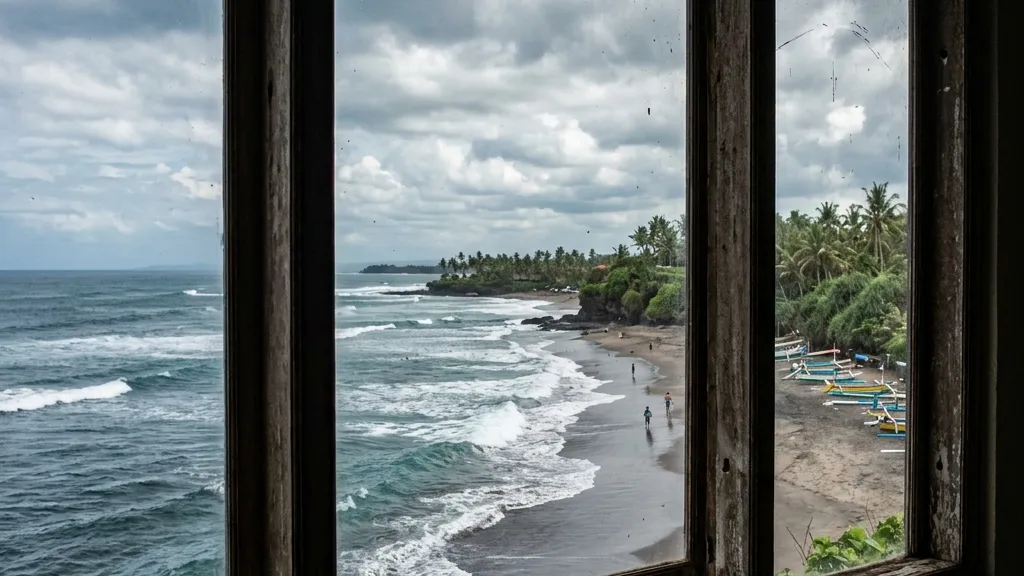
This entire article has been written because we genuinely care about the safety and wellbeing of people who visit Bali. We see it every year. Intelligent, otherwise responsible travellers make an assumption about Bali drug laws and pay an extraordinary, life-altering price for that assumption.
The message is simple and requires no nuance: there is no safe middle ground on cannabis in Bali. Not a small amount. Not a CBD product. Not a single puff at a beach party. Not a gummy for anxiety on the flight. The legal framework is real, the enforcement is real, the penalties are real, and no amount of "not knowing" or "it's just a little" or "I have a prescription" will change what happens when you are sitting in Kerobokan waiting for your trial date.
Bali is extraordinary. Its food, its spiritual culture, its beaches and landscapes, its wellness experiences, all of it is available to you entirely and completely sober. You do not need anything that puts your freedom at risk to have the best trip of your life here. Our job at Your Happiness Tours is to help you have exactly that, safely, legally, and memorably.
For more essential travel safety information, read our guides on public decency laws in Bali, magic mushrooms in Bali, and our complete first-time visitor guide. For solo travellers, our solo female travel safety guide for Southeast Asia covers legal and cultural safety in region-wide depth. Australian travellers should also check the Australian Government SmartTraveller Indonesia advisory before departure.
Bali Is Extraordinary, No Shortcuts Required
The best experiences on the island, secret waterfalls, sunrise volcano treks, world-class beach clubs, don't require any legal risk whatsoever. They require a good guide. That's us.